
SEARCH
What question brings you here?
Look for a topic, medicine, ingredient or everyday constraint.
56 guides found.
Ozempic and weight loss: why its indication matters
Semaglutide has changed care for some people. To understand a proposed treatment, however, distinguish the active substance, brand, indication and results of the trial being cited.
Read the guide ↗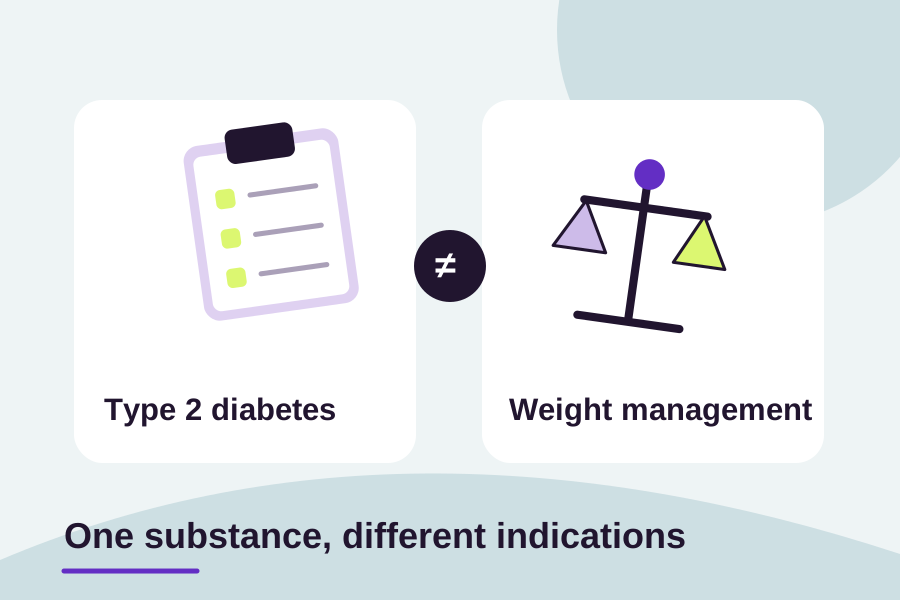
Ozempic or Wegovy: understanding the difference
The same active substance does not mean the same authorisation. A serious comparison starts with the medical reason for prescribing.
Read the guide ↗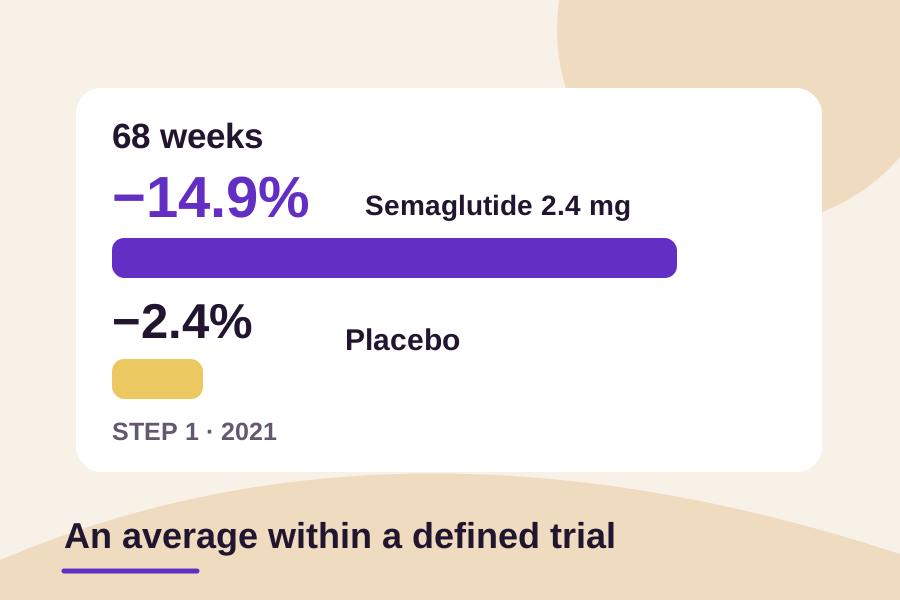
Semaglutide: reading the STEP 1 results
STEP 1 helps explain semaglutide’s efficacy within a defined setting. Its result is scientific evidence, not an individual forecast.
Read the guide ↗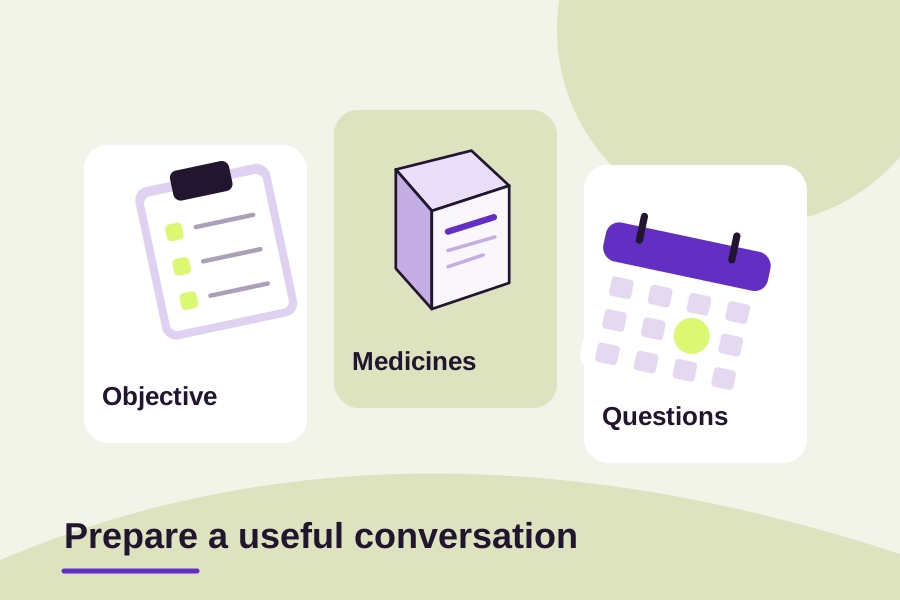
GLP-1: a checklist for your consultation
An appointment becomes more precise when you bring facts, everyday difficulties and a few written questions. This worksheet does not send health information anywhere.
Read the guide ↗
Mounjaro and semaglutide: comparing the right studies
Tirzepatide and semaglutide are different substances. A comparison must specify indications, populations and protocol.
Read the guide ↗
The best fat burner? Start with an evidence checklist
A commercial ranking demonstrates neither efficacy nor safety. This checklist helps decide whether the available information even justifies further examination.
Read the guide ↗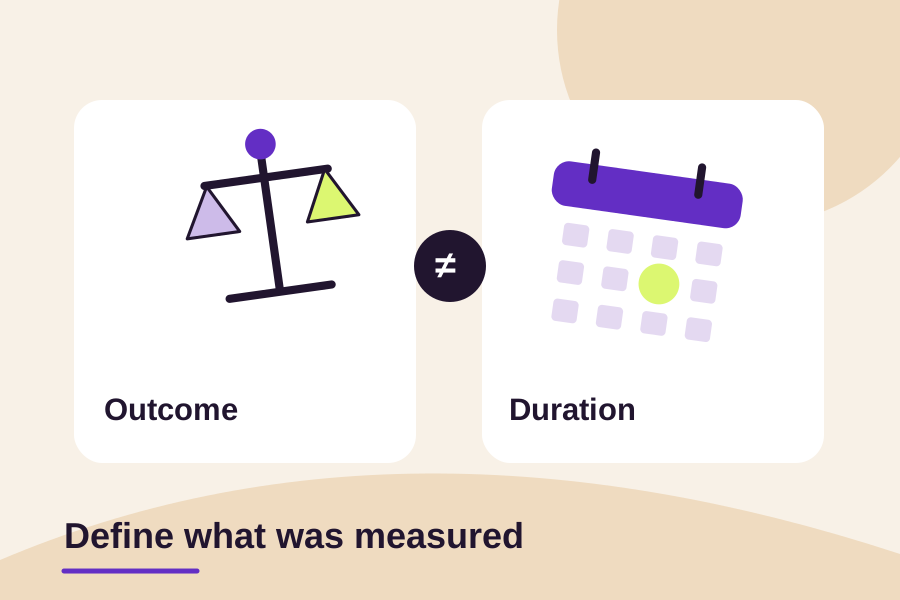
Fat-burner effectiveness: what needs measuring
“Effective” has no meaning without a defined outcome, duration and comparator. Here is how to examine a promise before accepting it.
Read the guide ↗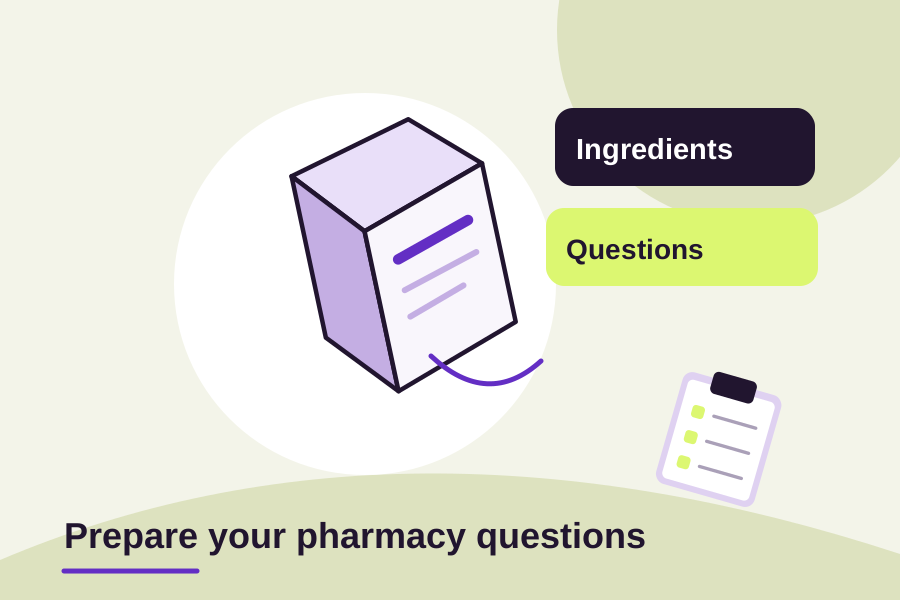
Fat burners in a pharmacy: questions to prepare
Where a product is sold does not replace examining it. A pharmacist can help check composition and interactions.
Read the guide ↗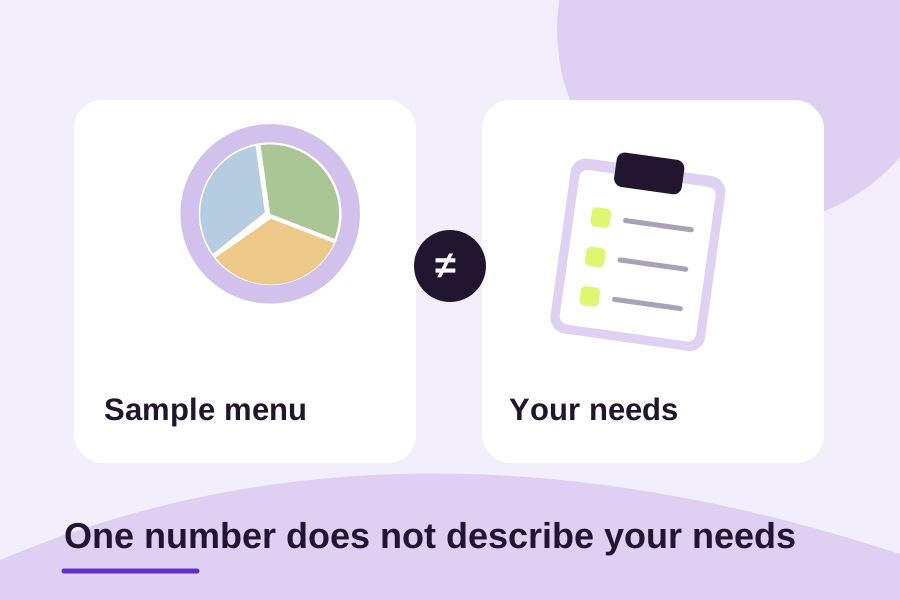
A 1,000-calorie diet: why a sample menu is not enough
A fixed calorie limit does not describe your needs or a care pathway. This page replaces old restrictive meal plans with a way to discuss an appropriate objective.
Read the guide ↗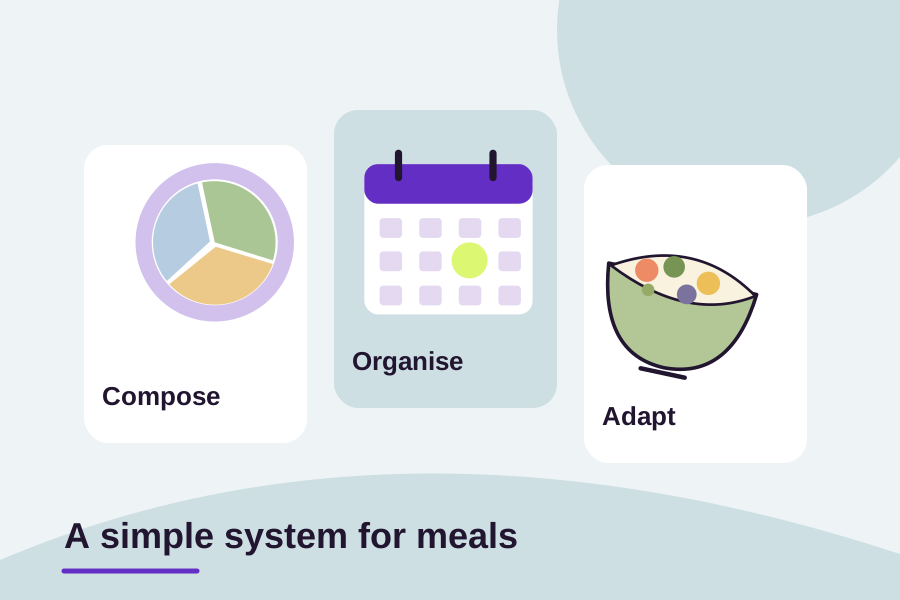
Planning balanced meals: a simple system
A menu is easier to build with components that combine. This system organises meals; it does not calculate a weight-loss prescription.
Read the guide ↗
A healthy breakfast: choose for your morning
A useful breakfast fits your routine and preferences. A product’s weight-loss claim does not make it better.
Read the guide ↗
Blood glucose and weight: understand without self-treating
Blood glucose is a medical measurement. General food advice cannot replace assessing an abnormal result or adjusting treatment.
Read the guide ↗
Pineapple and weight loss: keep the fruit, reconsider the claim
Pineapple can be part of varied eating. It cannot target a body area or predict weight loss. An enzyme’s name does not demonstrate a clinical result.
Read the guide ↗
Bananas and weight loss: should you exclude them?
A banana is neither an automatic obstacle to weight loss nor a fat burner. Excluding fruit solely because of its sugar reputation oversimplifies eating.
Read the guide ↗
Lemon: flavour, drinks and weight-loss claims
Lemon water is flavoured water. It is neither a detoxification procedure nor evidence of fat burning.
Read the guide ↗
Grapefruit: check interactions before weight-loss claims
Grapefruit is food, but it can interact with some medicines. A search for weight loss must not overshadow this question.
Read the guide ↗
Chilli: an spice is not a clinical outcome
Chilli changes a dish’s flavour. A feeling of heat does not measure fat loss.
Read the guide ↗
Cinnamon: cooking and supplements are different uses
Cinnamon can flavour food. Perceived sweetness does not prove treatment of glucose or weight loss.
Read the guide ↗
Ginger: examining the weight-loss claim
Ginger can be included in meals and drinks. A recipe containing it does not by itself have demonstrated weight-loss efficacy.
Read the guide ↗
Turmeric powder: a culinary use, not a weight-loss promise
An ingredient studied in particular settings does not become a general weight-loss promise. Here turmeric is primarily a seasoning option.
Read the guide ↗
Omega-3 foods: planning variety
Omega-3s have a place in nutrition. Eating foods containing them should not be described as a fat-melting protocol.
Read the guide ↗
Coconut oil: assess the use, not the health halo
Adding oil does not guarantee weight loss. Choosing a fat also depends on culinary use and dietary variety.
Read the guide ↗
Apple cider vinegar: seasoning or regimen?
Apple cider vinegar can be used in cooking. A daily regimen does not follow from that culinary use.
Read the guide ↗
Green tea: distinguish a cup from an extract
A green-tea drink and concentrated extract differ in composition and exposure. Their assessment should remain separate.
Read the guide ↗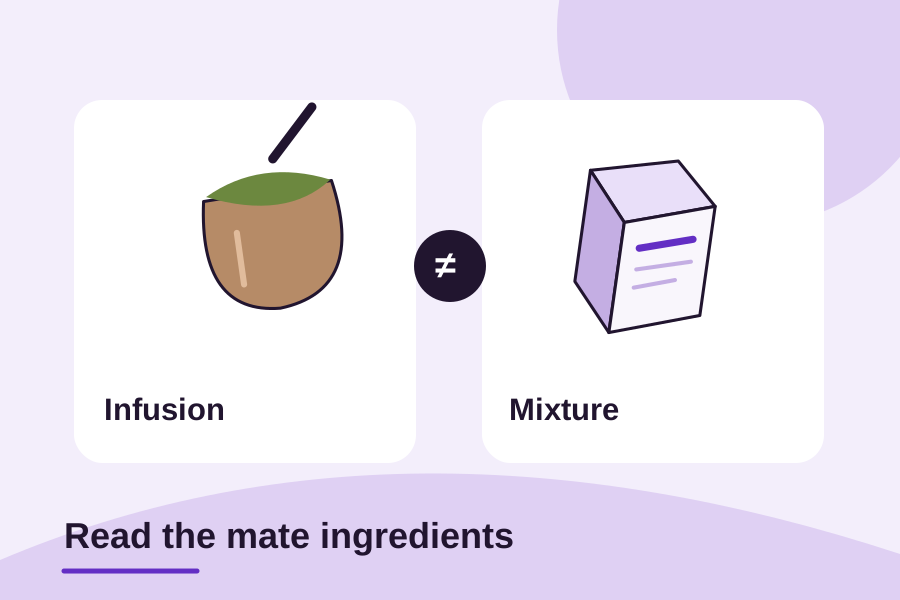
Maté: distinguish a drink from slimming mixtures
Maté can be consumed as a drink. A capsule or multi-ingredient slimming powder should be examined as a different product.
Read the guide ↗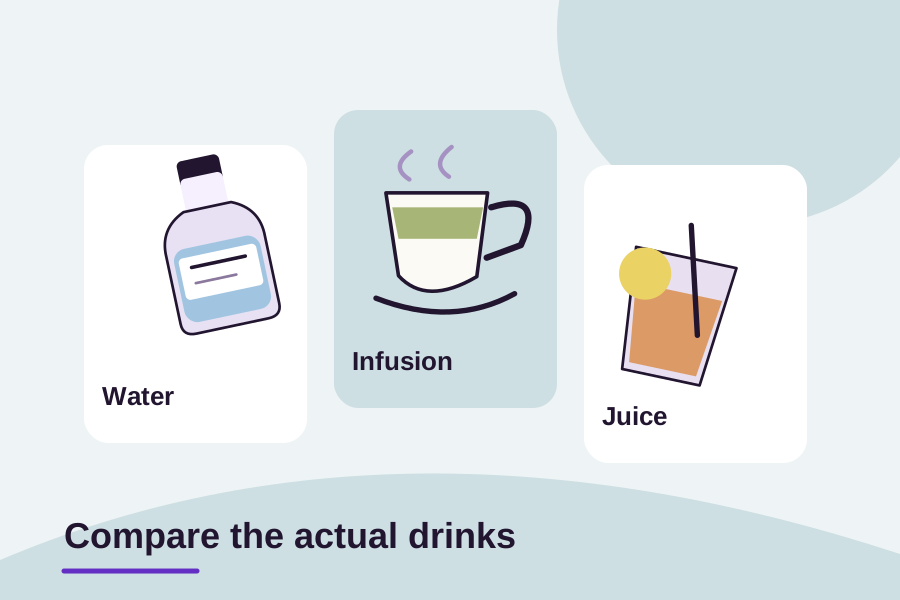
“Fat-burning” drinks: compare what you drink
“Fat-burning” is not nutrition information. Compare drinks by components, volume consumed and claims actually supported by evidence.
Read the guide ↗
Water and weight loss: choosing an everyday drink
No water brand is recommended here as a weight-loss treatment. The practical aim is accessible water that you enjoy drinking.
Read the guide ↗
Homemade “detox” juice: a recipe without a detox promise
Juice can be chosen for taste. It demonstrates neither a body-cleansing procedure nor an automatic advantage over whole fruit.
Read the guide ↗
Does organic food help with weight loss? Separate two questions
How food is produced and its role in a meal are separate questions. An organic label is not a weight-loss claim.
Read the guide ↗
Japanese food: plan a meal without stereotypes
A national cuisine is not one uniform diet. Restaurant, preparation and portion choices change the meal.
Read the guide ↗
Weekly meals: a flexible foundation, not a miracle diet
An easy cooking week starts with reusable components. Here are five meals to adapt to the number of people, preferences and needs.
Read the guide ↗
Three simple recipes for complete meals
These recipes aim for taste and convenient preparation. They do not promise to melt fat, and their quantities are not a diet.
Read the guide ↗
“Fat-burning” soup: make the recipe part of a real meal
Soup can be convenient, but no soup justifies a targeted fat-loss promise. Its place in a meal depends on ingredients and accompaniments.
Read the guide ↗
Food and satiety: observe what suits you
Searching for a food that removes all hunger can obscure meal organisation. A descriptive journal identifies situations to discuss without counting or judging each bite.
Read the guide ↗
“Strong” appetite suppressants: product or care pathway?
Advertised strength is not a care objective. Describe appetite difficulties through their effects and context first.
Read the guide ↗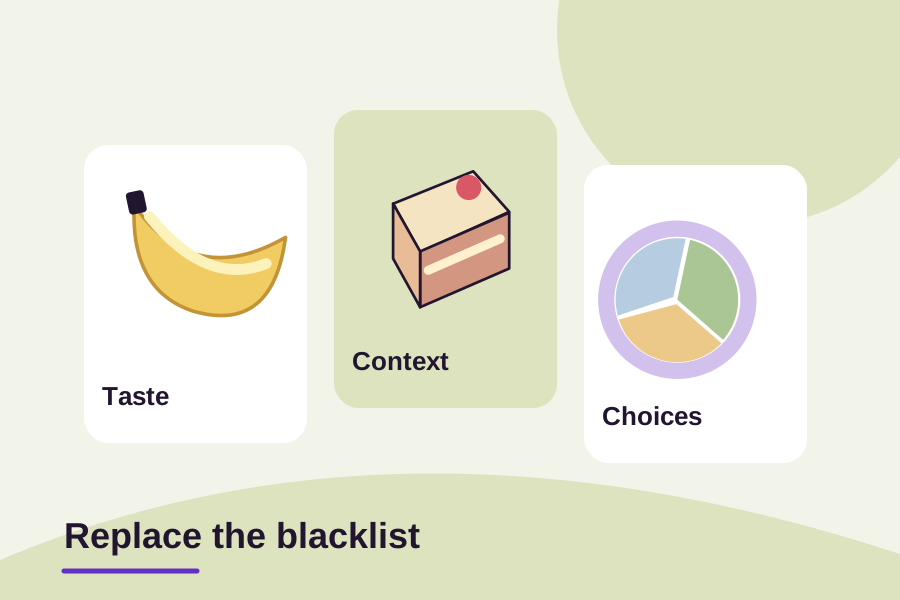
“Forbidden” foods: replace a blacklist with guidance
A universal forbidden-food list does not describe one person’s needs. Separate medical restrictions from arbitrary slimming rules.
Read the guide ↗
Cheat meals: enjoyment without compensation
The language of “cheating” can make an ordinary meal guilt-inducing. Plan an enjoyable meal without promising to restart metabolism.
Read the guide ↗
Losing five kilos quickly: prepare a health objective
A kilogram target and short deadline do not define an appropriate strategy. First examine the reason and what can change without an extreme programme.
Read the guide ↗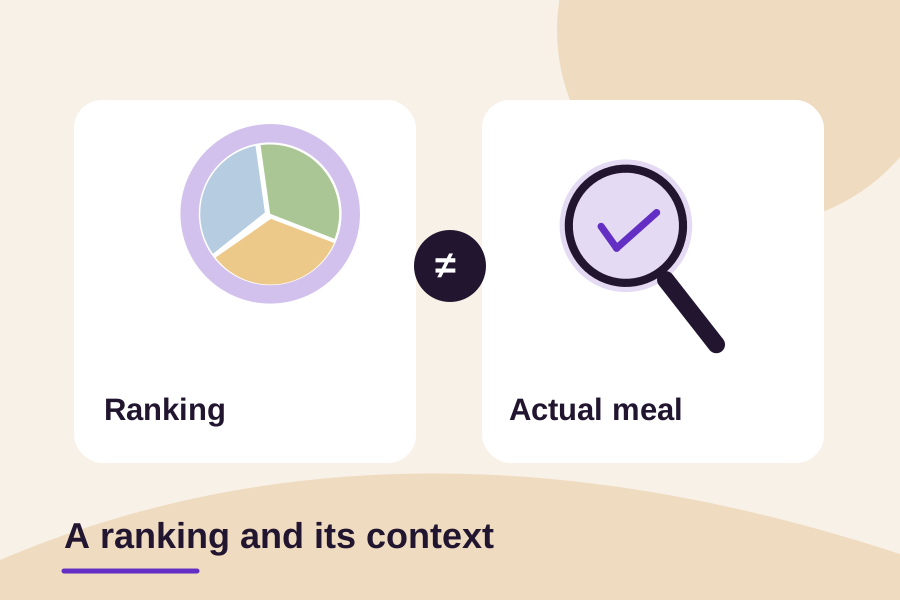
Glycaemic index: what a ranking cannot tell you
Glycaemic index describes a response under defined measurement conditions. It is neither an overall quality score nor a self-directed diabetes treatment guide.
Read the guide ↗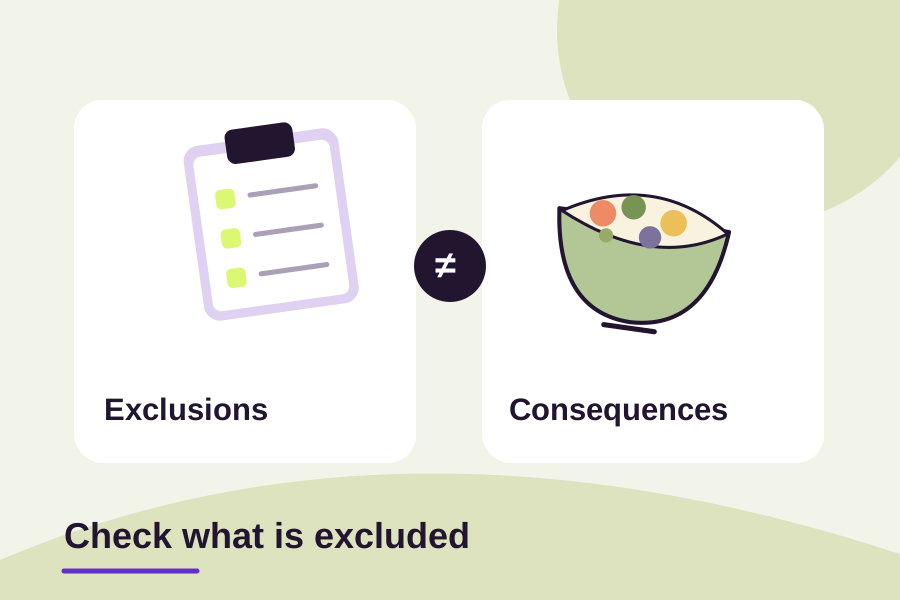
Drastic diets: check exclusions before starting
Restriction can be presented as proof of commitment. Examining what a programme removes is often more useful than its before-and-after image.
Read the guide ↗
Fruit diets: include fruit without making it every meal
Fruit belongs in varied eating. A day or week containing only fruit raises a different question: which foods have been removed?
Read the guide ↗
Protein: read the meal before choosing a powder
“Protein” does not make a product automatically necessary or suitable. Begin with eating patterns, objectives and health constraints.
Read the guide ↗
“Drainage” products: distinguish water, fat and symptoms
A temporary weight drop does not demonstrate fat loss. “Drainage” and “detox” do not replace a precise outcome definition.
Read the guide ↗
Konjac and glucomannan: food, supplement and claim
Konjac noodles and glucomannan supplements are not the same product. A conditional claim should not become a general promise.
Read the guide ↗
CLA: assess a claim about fat mass
A biochemical explanation of CLA does not demonstrate a commercial product’s promised result. Examine the cited human trial and what it actually measured.
Read the guide ↗
Ashwagandha: safety before the slimming promise
Ashwagandha appears in discussions of stress, sport and weight. A promise in one area does not establish an effect in another.
Read the guide ↗
Slimming patches: what evidence concerns the applied product?
A device attached to skin does not become effective because of its format. Ask for evidence about this patch and the promised outcome.
Read the guide ↗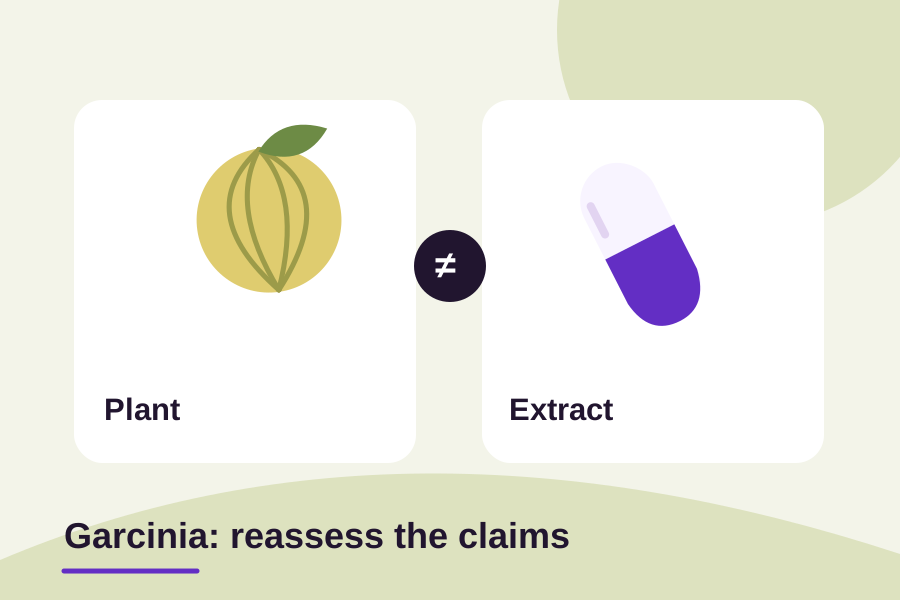
Garcinia cambogia: updating old promises
Old Garcinia product reviews should not be repeated as current recommendations. Safety alerts change how the file should be read.
Read the guide ↗
Sibutral and sibutramine: why an old review misleads
Sibutramine was subject to European suspension in 2010. A historical page listing it among ordinary weight-loss options omits an essential fact.
Read the guide ↗
GLP-1: preparing tolerability follow-up
Monitoring is more than weighing. Medicine information and prescriber instructions help distinguish routine questions from situations requiring medical contact.
Read the guide ↗
After GLP-1 treatment: questions to anticipate
Discuss what follows treatment from the outset. A withdrawal study cannot predict your trajectory, but shows why follow-up extends beyond the last injection.
Read the guide ↗
Anaca3: identify the product version before reading a review
The historical site discussed Anaca3. A current assessment starts with the exact product and label: a brand can include several presentations.
Read the guide ↗
PhenQ: do not confuse a brand with an ingredient
“Clinically tested” should let you find a study and identify exactly what it tested. This is a checking procedure, not an invented personal trial.
Read the guide ↗
Arti Shot: separate the supplement from the meal programme
When an offer combines a product with a food programme, effects cannot be attributed to the product without an appropriate comparison.
Read the guide ↗
Comme J’aime: a checklist for delivered meals
Meal delivery can solve preparation constraints. Convenience, cost and suitability need separate checks.
Read the guide ↗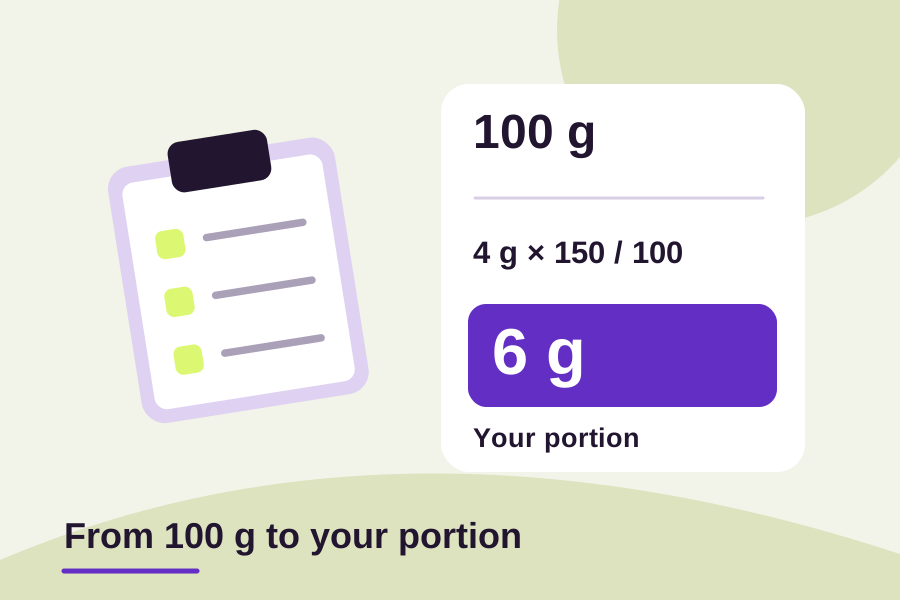
Read a label: convert 100 g into your portion
Comparisons are clearer when units match. This calculator only performs that conversion: it prescribes neither a portion nor daily intake.
Read the guide ↗No results. Try another topic, brand or shorter term.