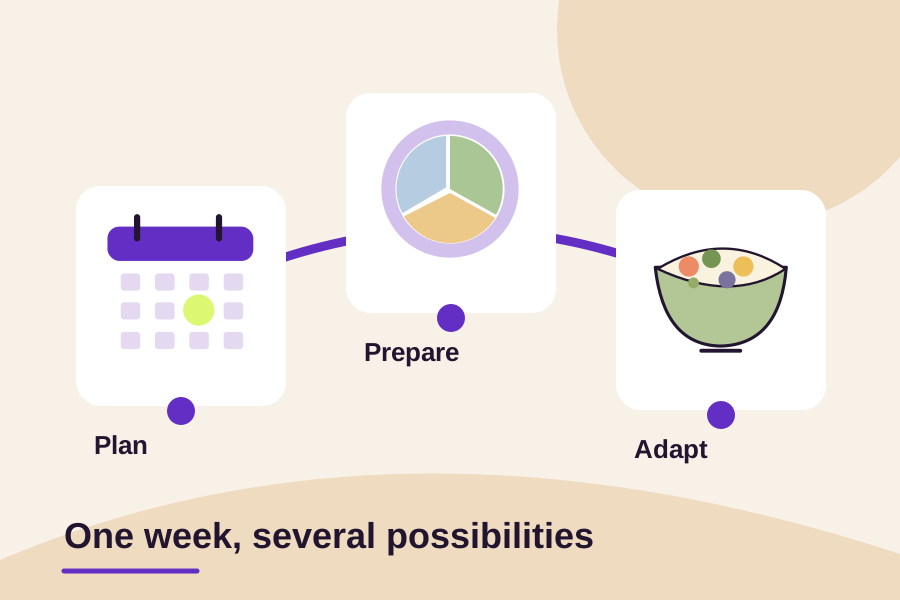
Prepare three bases
Cook rice, lentils and a tray of seasonal vegetables. Store portions for upcoming meals according to food-safety guidance; freeze what will not be used soon. Plan ready-to-assemble ingredients too: tomatoes, bread, eggs or tofu, fruit and plain yoghurt. These are culinary ideas, not prescribed portions or a low-calorie programme.
Assemble five different meals
Monday: lentil salad, tomatoes and bread. Tuesday: rice, roasted vegetables and eggs or tofu. Wednesday: vegetable soup with chickpeas and toast. Thursday: pasta with tomatoes, white beans and herbs. Friday: potatoes, fish or a plant-based alternative, and vegetables. Adjust quantities and add components you want. A written menu organises shopping; it does not dictate how much to eat.
Plan for reality
Keep a low-preparation backup, such as canned pulses, frozen vegetables and bread. Mark meals eaten out before filling the plan. If you have diabetes, kidney disease, allergies or a therapeutic diet, adapt the menu with your health professional. “Fat-burning” in a search does not describe a mechanism specific to these dishes.
EXAMPLE / HOW TO USE IT
Shopping list for this example
Bases: rice, pasta, potatoes, bread. Pulses: lentils, chickpeas, white beans. Vegetables: fresh or frozen selections and tomatoes. Other components: eggs, tofu or fish according to the meals selected, fruit, yoghurt or a suitable alternative, oil and herbs. Check cupboards before shopping; no universal quantity is imposed.
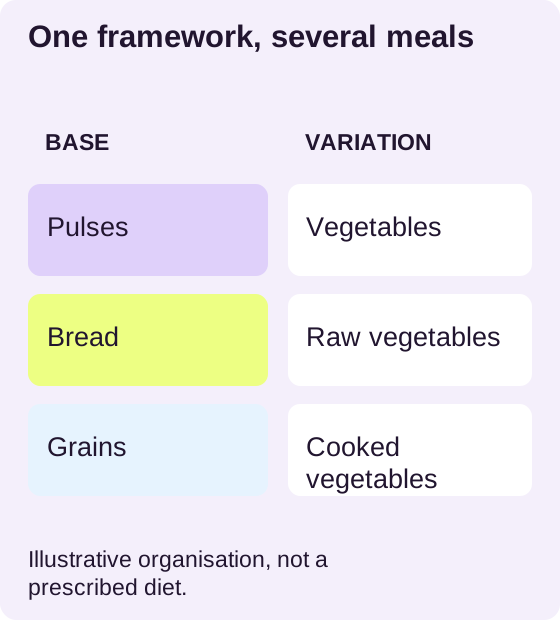
Read the figure text
One framework, several meals · BASE · Pulses · Bread · Grains · VARIATION · Vegetables · Raw vegetables · Cooked vegetables · Illustrative organisation, not a prescribed diet.
Keep this checklist
- Record meals actually needing preparation.
- Choose a few reusable bases.
- Vary combinations and keep a backup.
- Adjust quantities, storage and personal constraints.
Start with practical constraints
Choose the meals to organise, people involved, equipment and available preparation times. This is an everyday cooking example, with no personal calorie or portion target and no fat-burning effect attributed to a dish. A useful menu must be feasible with foods actually available.
Check cupboards, fridge and freezer before shopping. Examine product instructions and dates, then identify what each selected preparation lacks. An item appearing on a printed menu does not establish that it is usable. Medical and allergy constraints need their own consideration.
An adaptable seven-meal example
Monday: vegetable and lentil soup with a chosen accompaniment. Tuesday: pasta with vegetables and beans. Wednesday: an omelette with vegetables and bread as appropriate for culinary use. Thursday: rice, chickpeas and vegetables. Friday: hummus toast with raw vegetables. Saturday: a household favourite. Sunday: a meal based on ingredients still usable, without inventing a storage duration.
These are organisational ideas, not a complete nutritional week or a prescription. Preparations, quantities and accompaniments vary with preferences and needs. The NHS Eatwell Guide explains food groups within the overall diet; balance is not established by three colours appearing on a plate.
Turn the menu into a shopping record
For soup, list selected vegetables, lentils and recipe ingredients. For pasta, record pasta, vegetables and beans. Combine common ingredients and remove what is already available and usable. Shopping quantities follow your recipes and household size, rather than a universal list described as a diet.
Divide the record into purchases, label checks and equipment. Example: buy hummus; check its composition for sesame; prepare a suitable container if taking it out. This keeps a practical requirement from disappearing among food names.
Keep a workable alternative
For preparations depending on cooking or transport, retain an alternative compatible with actual constraints. An evening without a saucepan can use a no-cook preparation if product instructions permit it. Transported perishables require an arrangement that maintains their required refrigeration.
At the end of the week, record what was prepared, what was missing and what proved too complicated. Change one organisational point for the next week. This review measures feasibility, not body-fat loss, and identifies what still needs clarification.
Sources and limitations
References consulted for this edition. Studies and documents retain their actual years. Educational examples and documentary procedures, not personal product trials.