One substance, different contexts
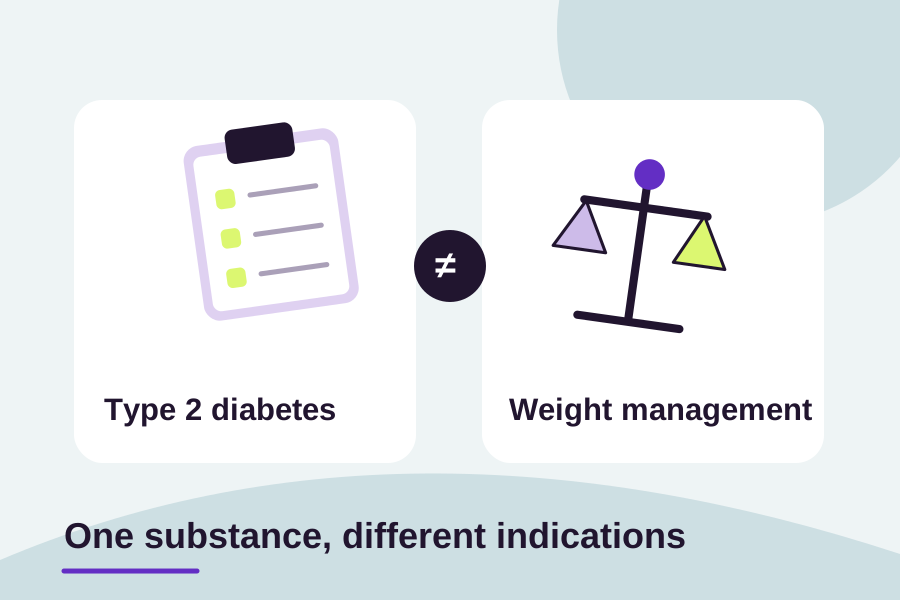
Ozempic contains semaglutide. In the European Union, its indication concerns adults with insufficiently controlled type 2 diabetes. Weight loss observed with a medicine does not automatically change its indication into an obesity treatment. France’s ANSM reiterates the appropriate use of Ozempic in diabetes. Wegovy also contains semaglutide, with a separate authorisation for weight management in defined populations. These names are therefore not interchangeable in a medical discussion.
Trial results are not your personal timetable
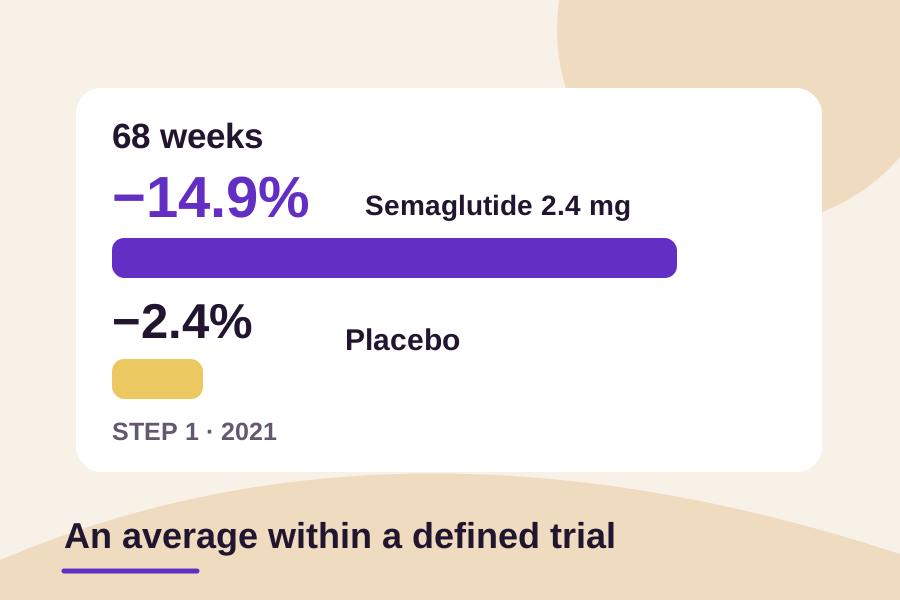
A weight-loss figure should always come with the medicine, studied dose, population and duration. STEP 1 studied semaglutide at 2.4 mg, not unsupervised use of Ozempic. The trial included a lifestyle intervention. A group average cannot predict your result or promise a speed of weight loss. Follow-up also considers tolerability, nutrition, physical function and changes in other health conditions.
Prepare a useful consultation
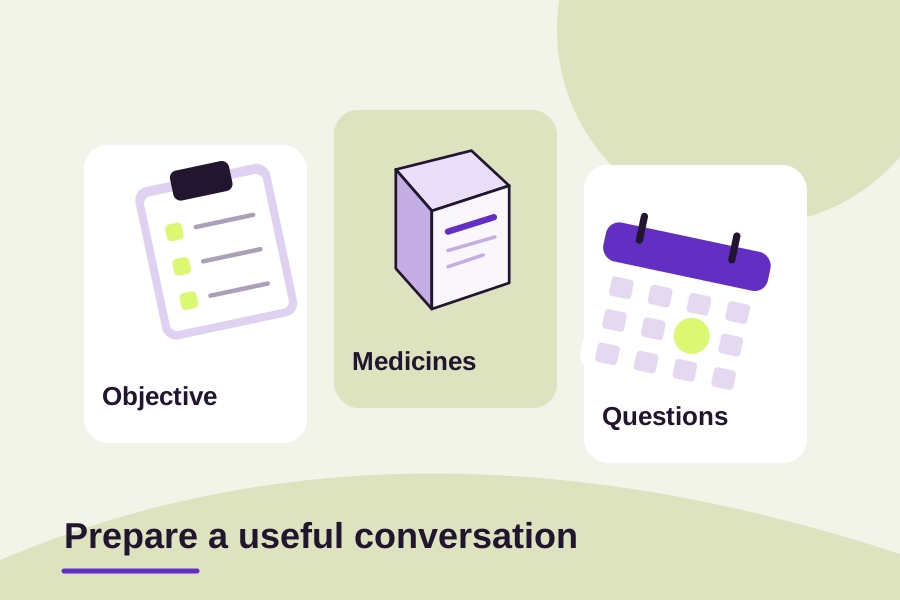
Write down your medicines, supplements, medical history and everyday difficulties. Bring the source that persuaded you: an advertisement, article or trial result. Your doctor can check whether it applies to your circumstances. Ask about the medical objective, monitoring, situations that require contacting the clinician again and plans for subsequent care. Treatment selection and dose changes belong to the prescriber; this guide does not provide a self-medication schedule.
EXAMPLE / HOW TO USE IT
A specific question to ask
“I read a result at 68 weeks in adults without diabetes. Does it concern the same indication and medicine as the treatment you are proposing? What health benefit are we seeking, and how will we measure it?” This opens a verifiable comparison rather than a request based on an isolated number.

Read the figure text
One substance, different contexts: Ozempic contains semaglutide. · Trial results are not your personal timetable: A weight-loss figure should always come with the medicine, studied dose, population and duration. · Prepare a useful consultation: Write down your medicines, supplements, medical history and everyday difficulties.
Keep this checklist
- Identify the exact medicine.
- Check its indication in EMA information and the applicable French rules.
- Bring medicines, medical history and expectations to your appointment.
- Agree on objectives and follow-up with the clinician.
Begin with the actual question
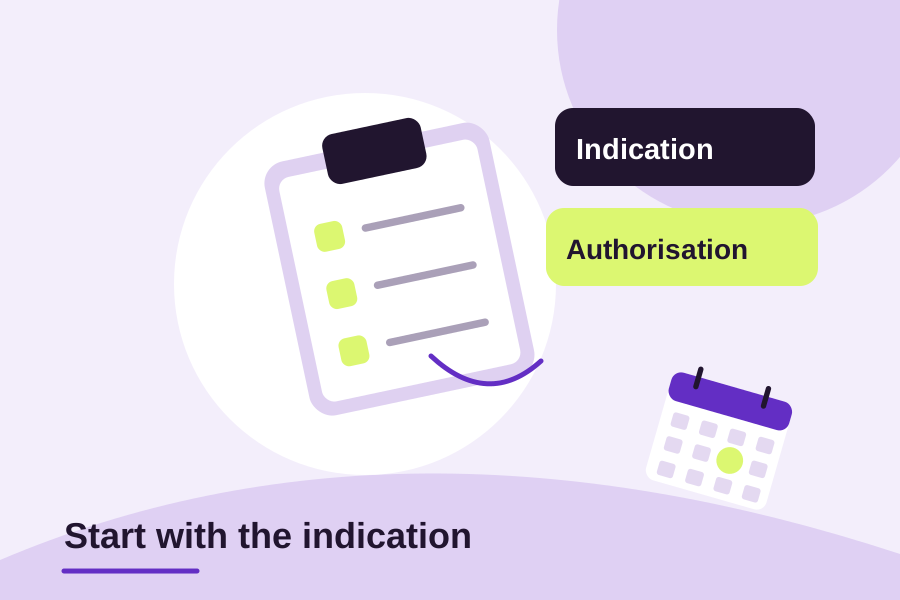
“Does Ozempic cause weight loss?” can refer to three different questions: an observation in a trial, an authorised indication or a suitable treatment for an individual. An answer to the first does not settle the other two. Identify which question an article addresses before retaining its headline number.
EMA describes Ozempic as a type 2 diabetes medicine. Weight change reported in research does not turn that authorisation into a general weight-loss indication. Consult the Wegovy dossier separately. Local rules, availability and personal circumstances require their own checks with a professional; a foreign article does not establish local authorisation.
A five-field documentary record
Open the document behind the headline. Record the country or authority, exact presentation name, document date, population and stated outcome. If a headline names a brand while the protocol describes a different regimen, keep that difference in your record.
Add an “unanswered question” column: does this information concern my country? Is the document current product information or an older summary? Is the number a trial average or a testimonial? What follow-up is described? Do not fill a missing answer with a seller’s assertion.
Worked example: turn a headline into a verifiable request
Educational example: a video promises “lose 15% with Ozempic” but provides no link. Do not begin by converting this number into a personal weight forecast. Request the publication and identify substance, protocol, duration, comparator and participants. Our STEP 1 guide supplies a documented reading example; a brand name must not erase the actual trial context.
A written request could be: “Which publication describes this result, among which participants and with what studied treatment?” The answer should let you locate the research. A graph screenshot without a legend or an unsupported “everyone knows” response leaves the record incomplete.
Prepare a useful discussion
Bring a list of medicines and supplements, your questions and the documents you consulted. Do not present an advertising number as the expected treatment result. Ask what would be assessed, how benefits and risks would be discussed and whom to contact if a problem occurs.
The consultation sheet helps organise questions. It creates no prescription, eligibility decision or follow-up plan. Concerns and symptoms belong with a professional; an online comparison must not delay necessary care.
Sources and limitations
- EMA — Ozempic authorisation and medicine information
- ANSM — appropriate use of Ozempic (French)
- EMA — Wegovy indications and medicine information
References consulted for this edition. Studies and documents retain their actual years. Educational examples and documentary procedures, not personal product trials.