Describe your circumstances, not just a number
Note weight changes that concern you, their approximate timing and context: a new medicine, disrupted sleep, changing activity or difficulty with food. Add practical goals, such as walking more comfortably, returning to an activity or managing a health condition. You do not need a perfect history or a justification for every meal. The aim is to provide usable information to your doctor.
Prepare safety information
Bring a list of medicines and supplements, including products bought online. Mention relevant medical history, current symptoms and, if applicable, plans for pregnancy. Someone close to you can help prepare the list. The prescriber checks your circumstances and the particular medicine; this worksheet replaces neither the leaflet nor that assessment. Keep health documents in your own records.
Agree on follow-up before starting
Ask what will be monitored, how often and whom to contact if difficulties arise. Prepare questions about cost, supply, expected duration and possible decisions if tolerability or benefit are unsuitable. Discuss nutrition and activity within your care pathway. HAS describes personalised care; a medicine does not remove the need for appropriate support.
EXAMPLE / HOW TO USE IT
A six-line worksheet
1. What is troubling me. 2. Since when. 3. My medicines and supplements. 4. Relevant medical history. 5. My practical objective. 6. My three questions. Print this structure or copy it onto paper. Do not enter these details into a public form.
Your question sheet
Complete in your own documents or print. Do not send health information to this site.
- My objective and difficulties
- ………………………………………………………………
- Current medicines and supplements
- ………………………………………………………………
- What benefit are we seeking?
- ………………………………………………………………
- Whom should I contact about a problem?
- ………………………………………………………………
- When and how should treatment be reassessed?
- ………………………………………………………………
Read the figure text
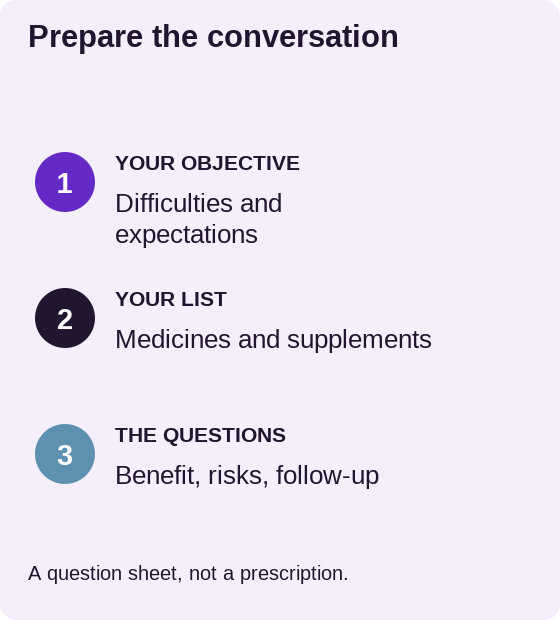
Prepare the conversation · YOUR OBJECTIVE · Difficulties and expectations · YOUR LIST · Medicines and supplements · THE QUESTIONS · Benefit, risks, follow-up · A question sheet, not a prescription.
Keep this checklist
- Write down difficulties and objectives.
- Prepare a complete list of products taken.
- Bring relevant documents.
- Ask for a follow-up plan and contact.
Sources and limitations
- HAS — care pathway for overweight and obesity (French)
- EMA — Wegovy indications and medicine information
References consulted for this edition. Studies and documents retain their actual years. Educational examples and documentary procedures, not personal product trials.
Turn a concern into three consultation questions
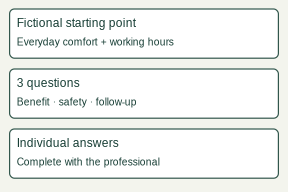
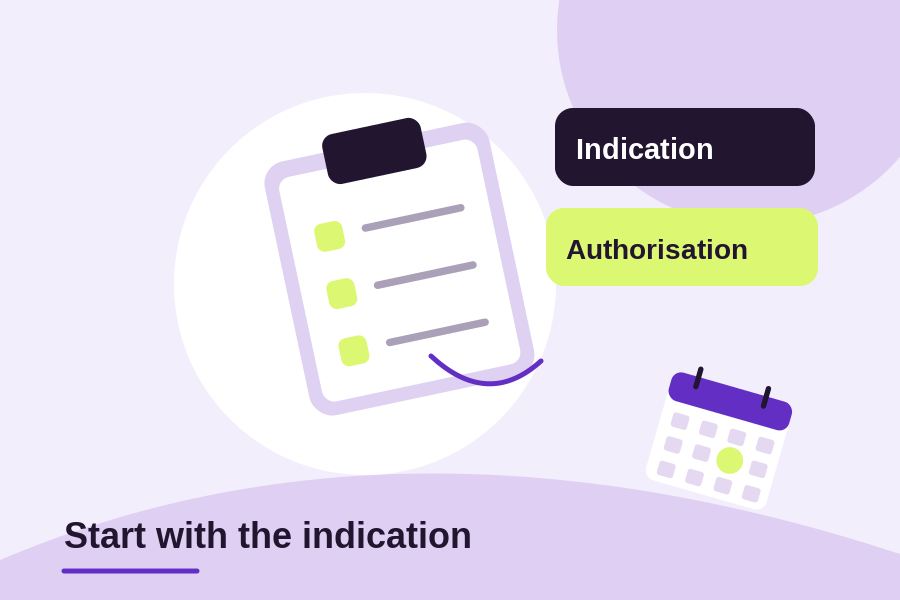
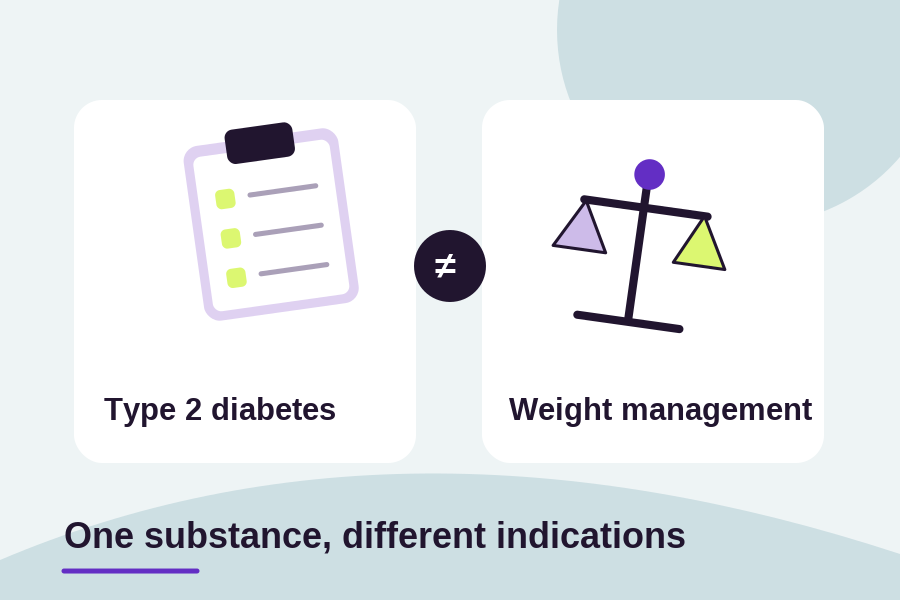
A preparation sheet helps you explain a request without selecting your own treatment. The example below is entirely fictional: it describes no patient and recommends no prescription, dose or investigation. EMA's page concerns a particular medicine in the European Union; it does not replace the leaflet for the actual product, formulation and country involved.
Completed example: an everyday concern
Stated goal: “I would like everyday journeys to feel more comfortable.” Practical concern: “My working hours make appointments difficult.” These sentences define a discussion topic. They do not establish whether a medicine is suitable or predict an outcome.
- Benefit to discuss: “Which goals would be relevant in my circumstances, and how could we review progress together?” Leave the professional to explain realistic expectations, possible options and their limits.
- Safety to understand: “Considering my history and complete product list, which risks, interactions and signs requiring contact should I understand?” Prepare the list privately, including the medicines and supplements actually used. Do not change how you take them because of this exercise.
- Follow-up to arrange: “What follow-up would be needed, whom should I contact between appointments, and how could this fit my working hours?” Ask for an appropriate contact route and individual instructions; do not infer a universal appointment schedule.
Copy a blank private sheet
My everyday goal ___; my priority question ___; products and documents to show at the appointment ___; benefits and limits explained ___; risks and action instructions explained ___; next agreed review ___; contact specified by the professional ___. Complete the answers after the conversation, keeping the wording used and any uncertainty still unresolved.
Before the appointment, identify the exact name, formulation and country of the leaflet if a product has already been mentioned. If those three fields do not agree, write down the question instead of applying instructions found for another product. The worksheet may stay on paper or in a private file: no health information needs to be sent to this website. Leaving a question unanswered is preferable to inventing a medical answer.