
Treatments
Understand weight-management medicines
Indications, trials and follow-up to prepare a medical conversation.

Ozempic and weight loss: why its indication matters
Semaglutide has changed care for some people. To understand a proposed treatment, however, distinguish the active substance, brand, indication and results of the trial being cited.
Read the guide ↗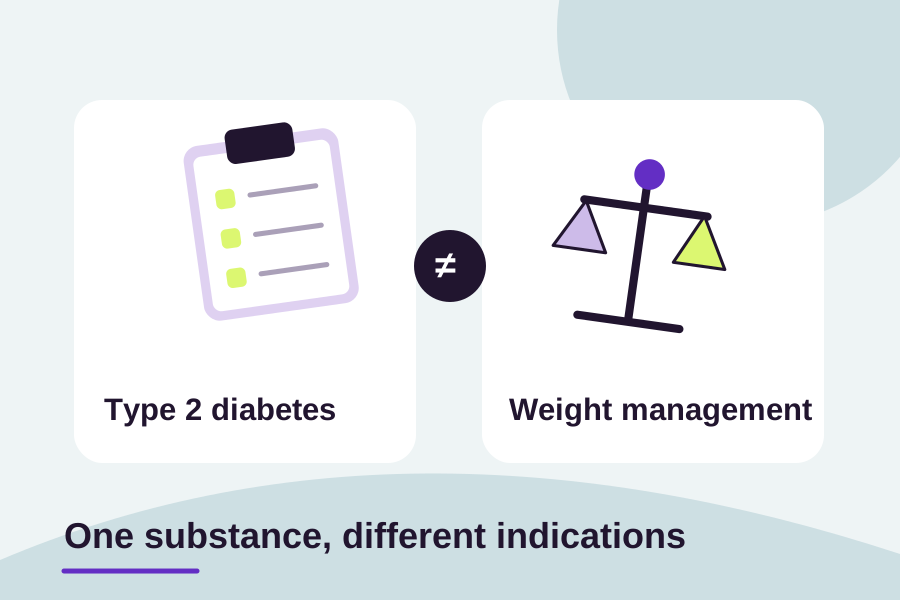
Ozempic or Wegovy: understanding the difference
The same active substance does not mean the same authorisation. A serious comparison starts with the medical reason for prescribing.
Read the guide ↗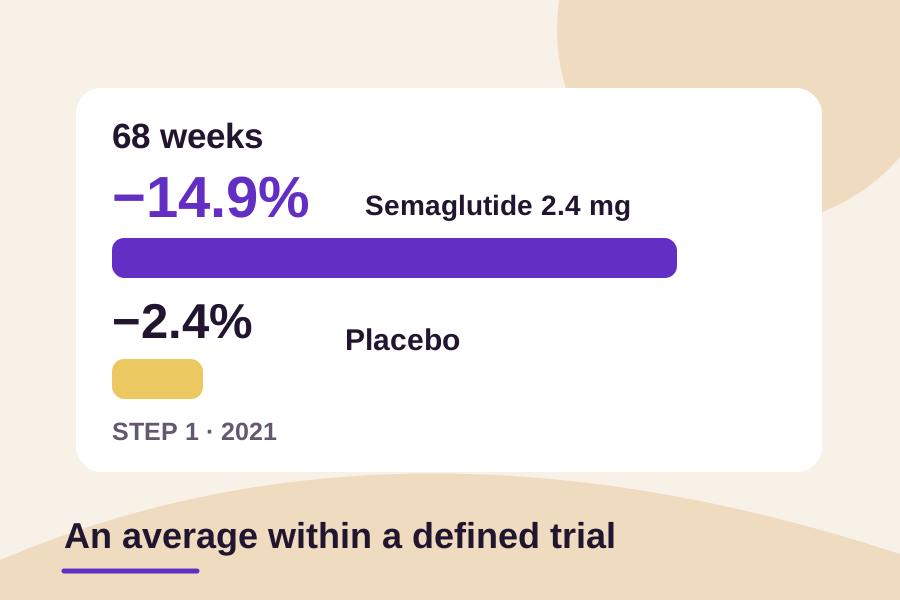
Semaglutide: reading the STEP 1 results
STEP 1 helps explain semaglutide’s efficacy within a defined setting. Its result is scientific evidence, not an individual forecast.
Read the guide ↗
GLP-1: a checklist for your consultation
An appointment becomes more precise when you bring facts, everyday difficulties and a few written questions. This worksheet does not send health information anywhere.
Read the guide ↗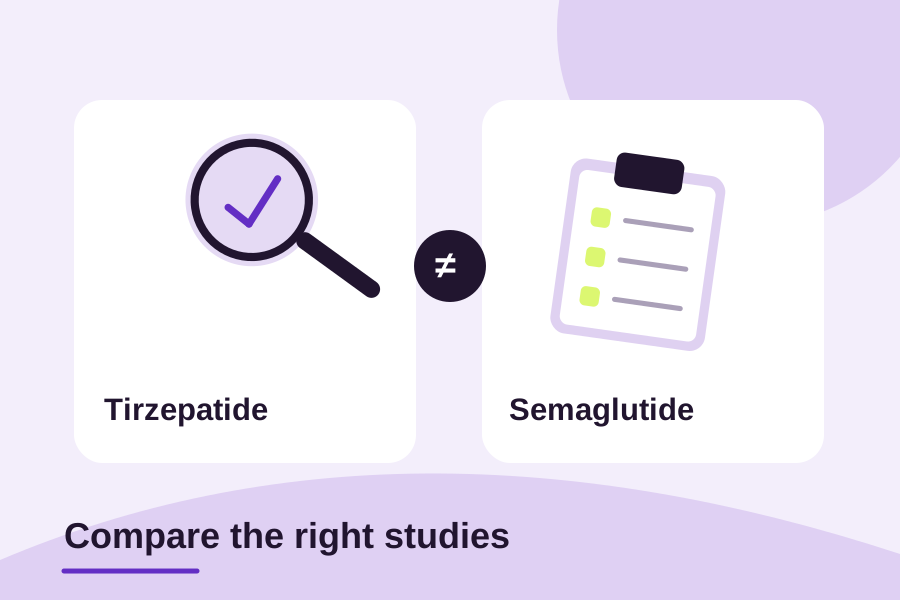
Mounjaro and semaglutide: comparing the right studies
Tirzepatide and semaglutide are different substances. A comparison must specify indications, populations and protocol.
Read the guide ↗
“Strong” appetite suppressants: product or care pathway?
Advertised strength is not a care objective. Describe appetite difficulties through their effects and context first.
Read the guide ↗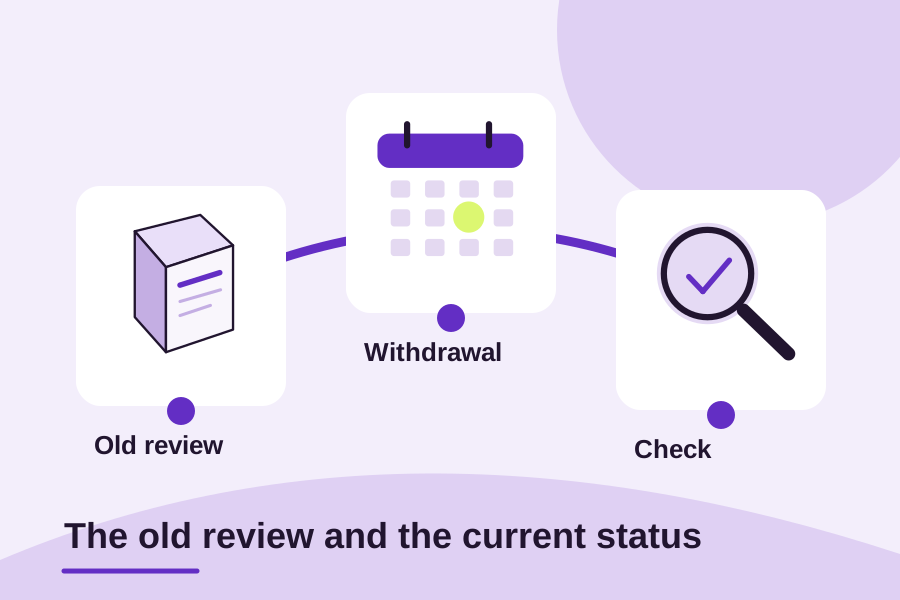
Sibutral and sibutramine: why an old review misleads
Sibutramine was subject to European suspension in 2010. A historical page listing it among ordinary weight-loss options omits an essential fact.
Read the guide ↗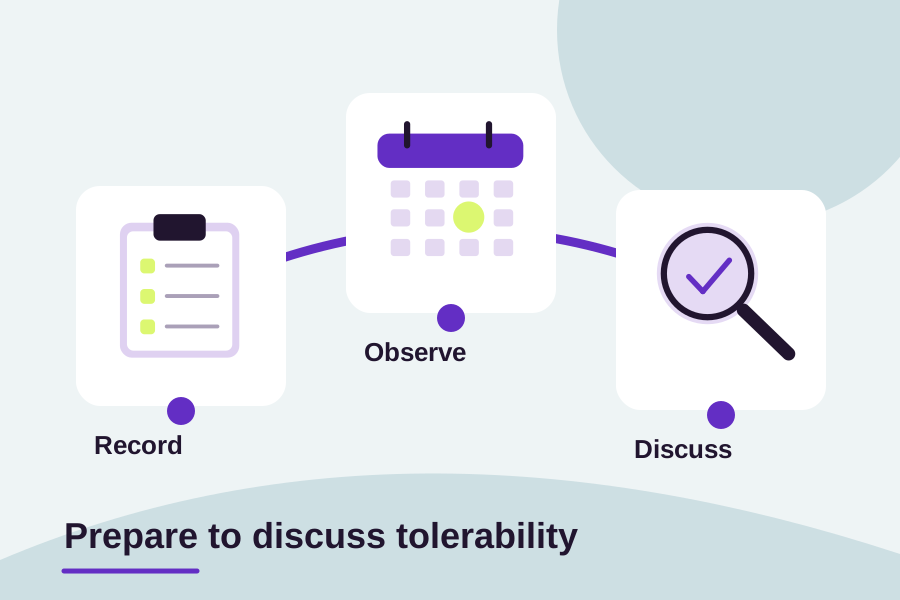
GLP-1: preparing tolerability follow-up
Monitoring is more than weighing. Medicine information and prescriber instructions help distinguish routine questions from situations requiring medical contact.
Read the guide ↗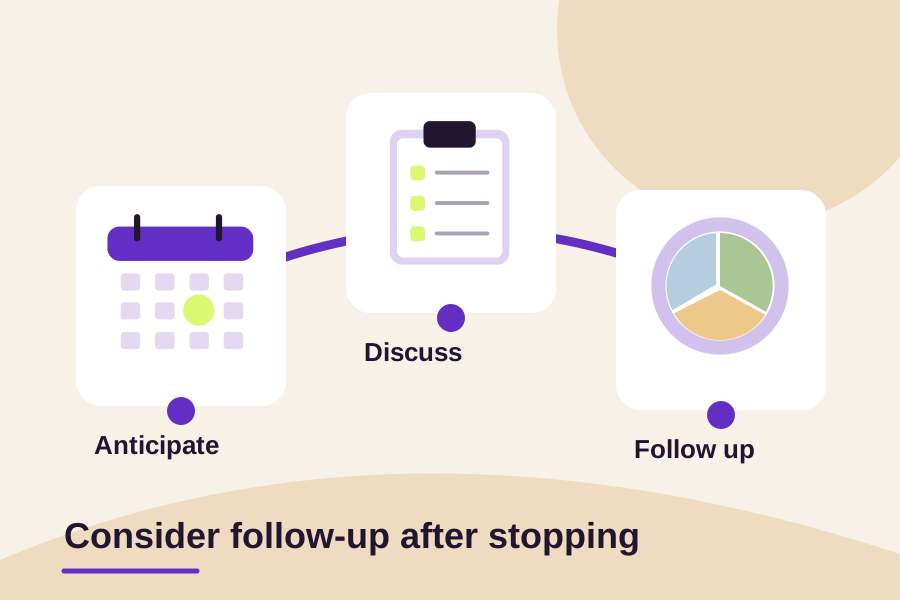
After GLP-1 treatment: questions to anticipate
Discuss what follows treatment from the outset. A withdrawal study cannot predict your trajectory, but shows why follow-up extends beyond the last injection.
Read the guide ↗