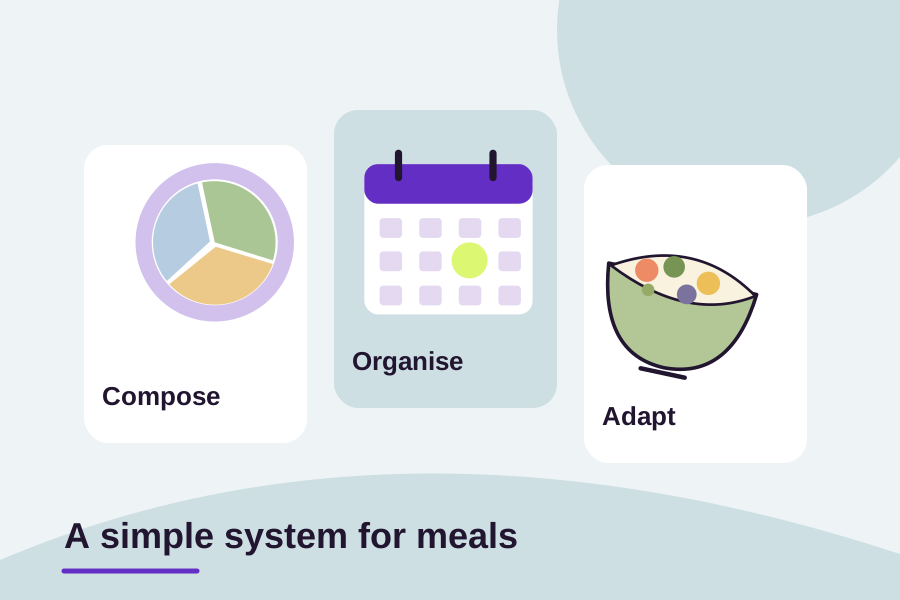
Observe the real constraint
Little time, no appetite on waking and hunger later are different situations. Before changing the meal, identify the difficulty. If you leave quickly, preparing some components the night before can help. If your schedule is shifted, organising the day matters more than an ideal time posted online.
Assemble instead of buying a miracle solution
You can combine a grain food, fruit and protein source according to your habits: wholegrain bread, plain yoghurt and fruit, or a savoury preparation with egg and vegetables. These are practical options, not obligations. For packaged food, compare ingredients and nutrition for the portion you actually consume. A large pack presented as one serving can distort the comparison.
Evaluate without guilt
Try an arrangement over several mornings and observe whether it simplifies your day. Hunger, satisfaction and convenience are useful information; one food does not determine your weight. If your medical circumstances require particular instructions, adapt the meal with your clinician. General guidance cannot replace that individual work.
EXAMPLE / HOW TO USE IT
Five-minute preparation
The evening before, set out non-perishable items and crockery, and check the fridge. In the morning assemble bread, yoghurt and fruit, or another combination you enjoy. The intended improvement is a simpler morning, not supposedly activating metabolism.
Read the figure text
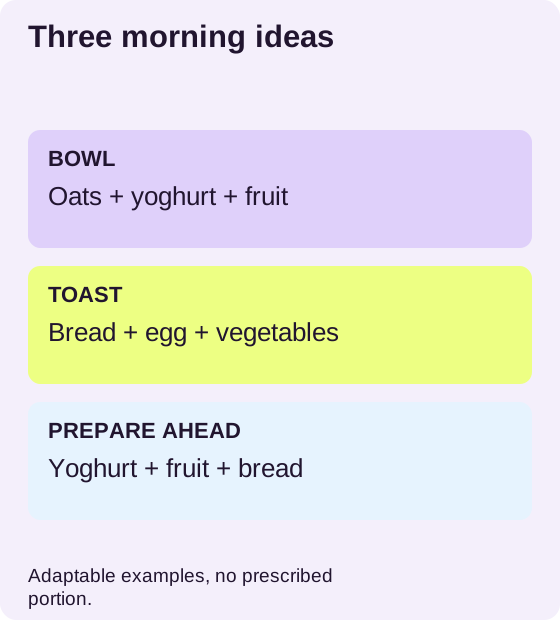
Three morning ideas · BOWL · Oats + yoghurt + fruit · TOAST · Bread + egg + vegetables · PREPARE AHEAD · Yoghurt + fruit + bread · Adaptable examples, no prescribed portion.
Keep this checklist
- Identify the morning constraint.
- Choose a combination you enjoy.
- Prepare components ahead.
- Observe hunger and convenience.
Choose an arrangement before a recipe
The workable breakfast depends on when you eat, what is available and what you like. A recipe requiring a pan, washing up and several fresh ingredients is not interchangeable with an option assembled from a fridge and cupboard. Start with the equipment and preparation you can actually manage. These examples are proposed culinary combinations, not personally tested recipes or a prescribed calorie plan.
An allergy, a condition requiring dietary advice or medication timing should not be handled by a generic recipe picker. Read the packaging and seek advice where needed. The examples below do not claim to be suitable for every person, every age or every medical situation. A substitution can change composition: keep that change visible instead of treating two foods as nutritionally identical.
| Your arrangement | An example | What to check |
|---|---|---|
| No cooking | Yoghurt, fruit and oats | Packaging, utensils and preferences |
| With a saucepan | Cooked oats with fruit | Packet cooking instructions |
| Savoury preference | Bread with fresh cheese or hummus | Milk, sesame and cereal allergens |
| Taking food out | Components in separate containers | Cold chain for perishable items |
Yoghurt, pear and oat bowl
For two small bowls: 200g plain yoghurt, one pear and 40g oat flakes. Wash and cut the pear, divide the yoghurt, add oats and then fruit. Quantities are culinary examples to adapt to use and preference, not diet portions. Check milk and oat labelling where allergy constraints apply.
Cooked oats with fruit
For two bowls: 80g oats, 300ml milk or a plant-based drink and one fruit. Cook oats in the liquid according to packet instructions, stir and adjust texture with more liquid as needed. Add fruit after cooking. A plant-based drink is not automatically equivalent to milk: examine composition and allergens.
Fresh-cheese and vegetable toast
For two slices: two slices of bread, around 100g fresh cheese and washed raw vegetables. Spread the cheese, add cucumber or tomato slices and season to taste. Bread and accompaniments can vary. Check milk and gluten-containing cereals on packaging.
Hummus toast
For two slices: two slices of bread, around 80g hummus and one tomato. Wash and slice the tomato, spread hummus and assemble. Hummus may contain sesame; homemade preparations and different brands need separate checks. No weight-loss effect is attributed to this combination.
Yoghurt and fruit packed separately
Place yoghurt in a suitable container and prepare fruit separately. Keep perishable foods cold according to product instructions and use clean equipment. Add fruit when eating. If a cold chain cannot be maintained, choose another arrangement rather than relying on an unverified storage duration.
Bread, fruit and a chosen accompaniment
A simple option combines bread, washed fruit and an accompaniment suited to taste. Prepare whatever makes the morning easier. A detox label or attractive photograph does not establish a healthy breakfast. The practical issue is feasibility: available foods, necessary equipment and adjustment to individual needs.
A simple preparation sheet
Write down four items: the foods already available, one missing item to buy, the utensil required and the step that can be prepared beforehand. Example: oats are in the cupboard; obtain a pear; use a bowl and spoon; wash the fruit when suitable. This is an organisation exercise, not evidence that eating the combination changes weight.
After trying an arrangement, record what made it practical or difficult: preparation, taste, waste, storage or cost. Change one element rather than judging the whole breakfast as a success or failure. If a persistent appetite or health concern needs individual assessment, a generic breakfast guide cannot provide it.

Read the figure text
Observe the real constraint: Little time, no appetite on waking and hunger later are different situations. · Assemble instead of buying a miracle solution: You can combine a grain food, fruit and protein source according to your habits: wholegrain bread, plain yoghurt and fruit, or a savoury preparation with egg and vegetables. · Evaluate without guilt: Try an arrangement over several mornings and observe whether it simplifies your day.
Choose an arrangement for tomorrow
A culinary organiser using the examples above. It does not assess nutritional needs or prescribe portions.
Common questions
Do these recipes guarantee weight loss?
No. They illustrate meal preparation. They do not prescribe portions, calculate individual needs or predict a weight change.
Are the pictures photographs of tested recipes?
No. They are AI-generated editorial illustrations. Ingredients and preparation are described in the text, without claiming a personal recipe test.
Are plant-based drinks interchangeable with milk?
Not automatically. Composition and allergens differ; check the specific product rather than assuming equivalence.
Sources and limitations
- Santé publique France — food and activity guidance (French)
- Assurance Maladie — everyday changes (French)
References consulted for this edition. Studies and documents retain their actual years. Educational examples and documentary procedures, not personal product trials.