Start with what you have
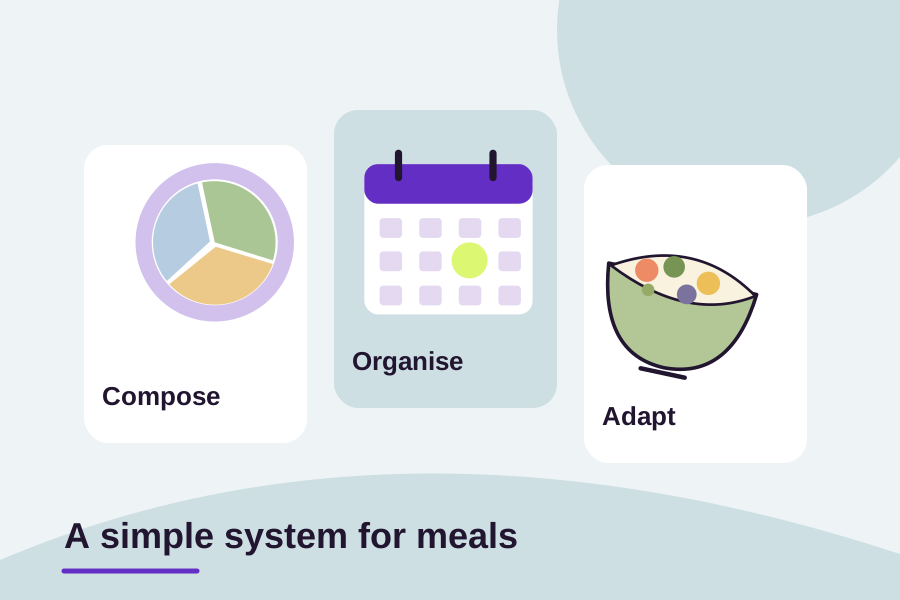
Make four short lists: available vegetables; starches or grains; protein sources; seasoning ingredients. Consider pulses, frozen foods and simple canned ingredients for busy days. PNNS guidance encourages varied eating. A practical combination also considers preferences, budget and cooking skills.
Plan combinations, not every detail
Choose two bases to reuse, such as cooked vegetables and grains. Combine them differently with pulses, eggs, fish or an option suited to your preferences. Store leftovers safely and follow product storage instructions. This system does not set the same mandatory proportion for everyone; quantities depend on circumstances and appetite.
Review how the menu worked
At the end of the week, look at easy meals, wasted food and moments when another solution was needed. Change one component rather than rebuilding the whole plan. A balanced menu does not need the label “fat-burning”. Its value lies in variety, feasibility and its place in your overall eating pattern.
EXAMPLE / HOW TO USE IT
Three practical combinations
Lentils, carrots and rice with yoghurt sauce; eggs, vegetables and wholegrain bread; fish, potatoes and green beans. These are adaptable culinary examples without a calorie target or weight-loss promise. Substitute ingredients according to allergies, preferences and relevant advice.

Read the figure text
Start with what you have: Make four short lists: available vegetables; starches or grains; protein sources; seasoning ingredients. · Plan combinations, not every detail: Choose two bases to reuse, such as cooked vegetables and grains. · Review how the menu worked: At the end of the week, look at easy meals, wasted food and moments when another solution was needed.
Keep this checklist
- Inventory the components.
- Choose two reusable bases.
- Assemble three different meals.
- Adjust for time, taste and waste.
Sources and limitations
- Santé publique France — food and activity guidance (French)
- Assurance Maladie — everyday changes (French)
References consulted for this edition. Studies and documents retain their actual years. Educational examples and documentary procedures, not personal product trials.