
Food
Make meals easier to organise
Recipes, ingredients and guidance you can use in the kitchen.
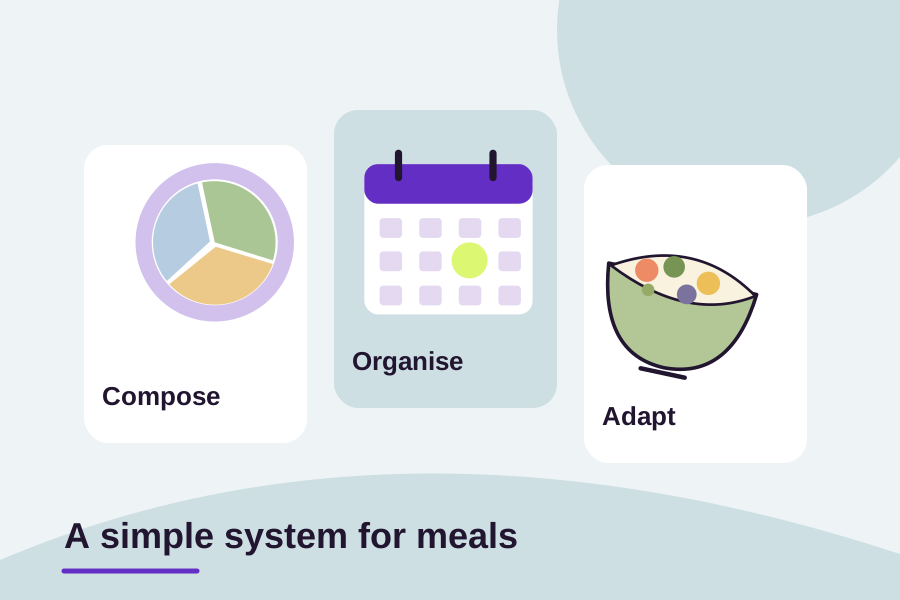
Planning balanced meals: a simple system
A menu is easier to build with components that combine. This system organises meals; it does not calculate a weight-loss prescription.
Read the guide ↗
A healthy breakfast: choose for your morning
A useful breakfast fits your routine and preferences. A product’s weight-loss claim does not make it better.
Read the guide ↗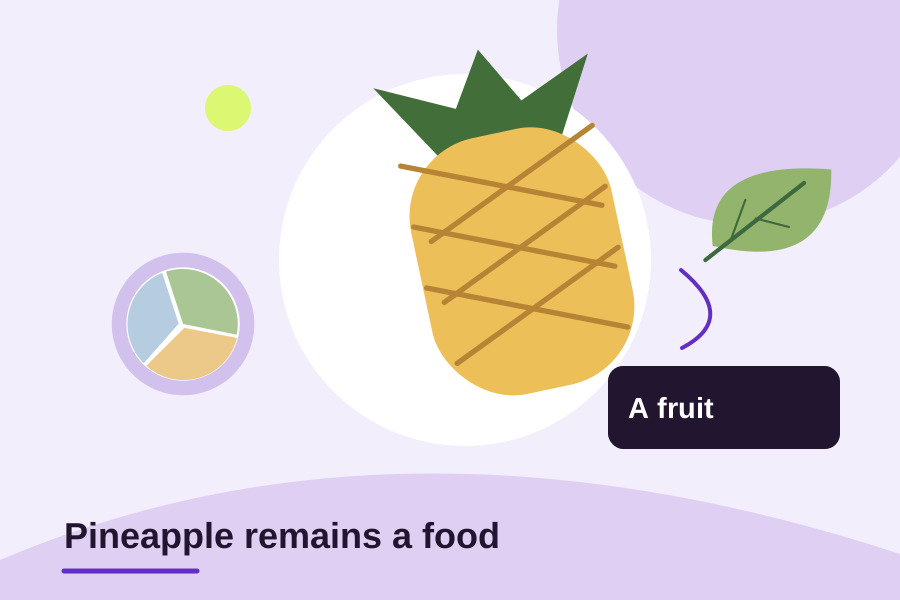
Pineapple and weight loss: keep the fruit, reconsider the claim
Pineapple can be part of varied eating. It cannot target a body area or predict weight loss. An enzyme’s name does not demonstrate a clinical result.
Read the guide ↗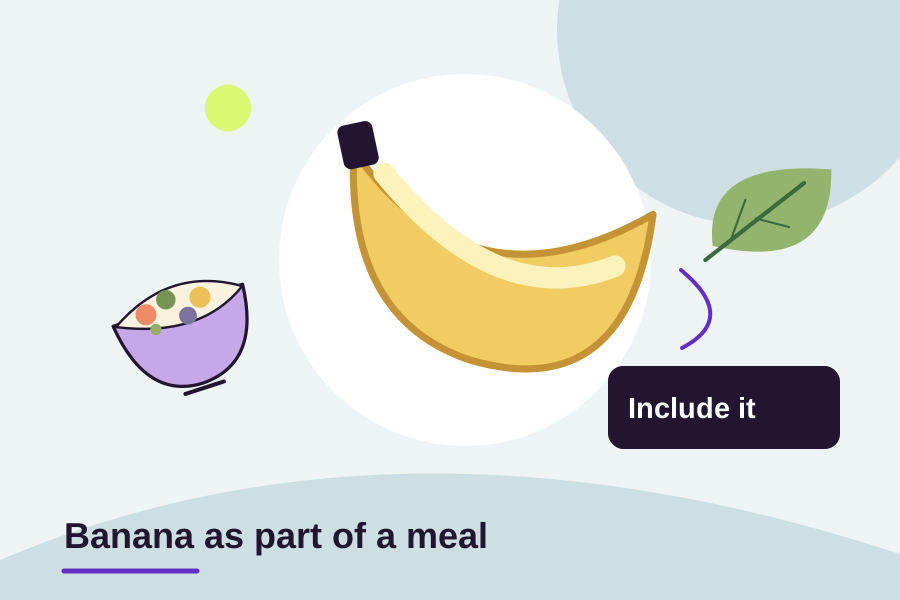
Bananas and weight loss: should you exclude them?
A banana is neither an automatic obstacle to weight loss nor a fat burner. Excluding fruit solely because of its sugar reputation oversimplifies eating.
Read the guide ↗
Lemon: flavour, drinks and weight-loss claims
Lemon water is flavoured water. It is neither a detoxification procedure nor evidence of fat burning.
Read the guide ↗
Grapefruit: check interactions before weight-loss claims
Grapefruit is food, but it can interact with some medicines. A search for weight loss must not overshadow this question.
Read the guide ↗
Chilli: an spice is not a clinical outcome
Chilli changes a dish’s flavour. A feeling of heat does not measure fat loss.
Read the guide ↗
Cinnamon: cooking and supplements are different uses
Cinnamon can flavour food. Perceived sweetness does not prove treatment of glucose or weight loss.
Read the guide ↗
Ginger: examining the weight-loss claim
Ginger can be included in meals and drinks. A recipe containing it does not by itself have demonstrated weight-loss efficacy.
Read the guide ↗
Turmeric powder: a culinary use, not a weight-loss promise
An ingredient studied in particular settings does not become a general weight-loss promise. Here turmeric is primarily a seasoning option.
Read the guide ↗
Omega-3 foods: planning variety
Omega-3s have a place in nutrition. Eating foods containing them should not be described as a fat-melting protocol.
Read the guide ↗
Coconut oil: assess the use, not the health halo
Adding oil does not guarantee weight loss. Choosing a fat also depends on culinary use and dietary variety.
Read the guide ↗
Apple cider vinegar: seasoning or regimen?
Apple cider vinegar can be used in cooking. A daily regimen does not follow from that culinary use.
Read the guide ↗
Green tea: distinguish a cup from an extract
A green-tea drink and concentrated extract differ in composition and exposure. Their assessment should remain separate.
Read the guide ↗
Maté: distinguish a drink from slimming mixtures
Maté can be consumed as a drink. A capsule or multi-ingredient slimming powder should be examined as a different product.
Read the guide ↗
“Fat-burning” drinks: compare what you drink
“Fat-burning” is not nutrition information. Compare drinks by components, volume consumed and claims actually supported by evidence.
Read the guide ↗
Water and weight loss: choosing an everyday drink
No water brand is recommended here as a weight-loss treatment. The practical aim is accessible water that you enjoy drinking.
Read the guide ↗
Homemade “detox” juice: a recipe without a detox promise
Juice can be chosen for taste. It demonstrates neither a body-cleansing procedure nor an automatic advantage over whole fruit.
Read the guide ↗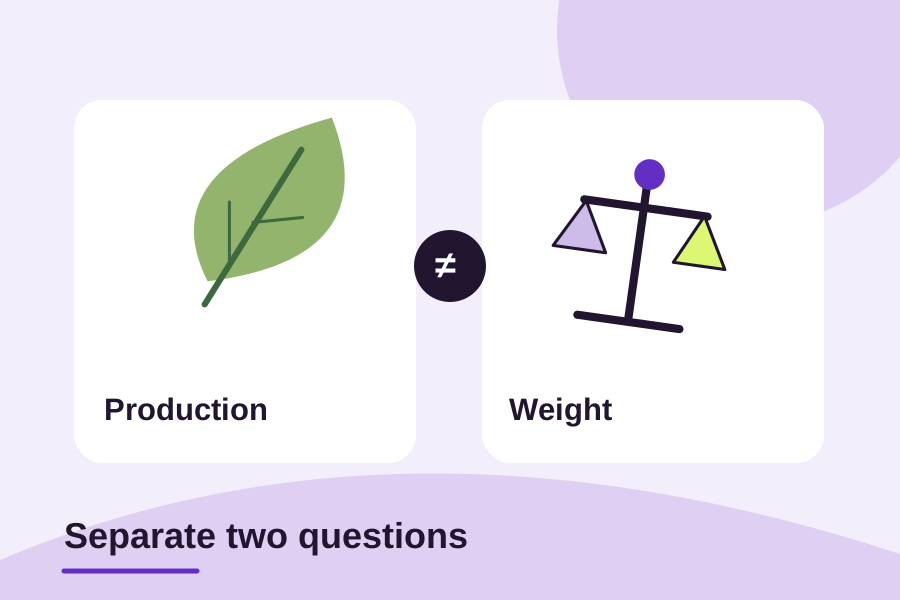
Does organic food help with weight loss? Separate two questions
How food is produced and its role in a meal are separate questions. An organic label is not a weight-loss claim.
Read the guide ↗
Japanese food: plan a meal without stereotypes
A national cuisine is not one uniform diet. Restaurant, preparation and portion choices change the meal.
Read the guide ↗
Weekly meals: a flexible foundation, not a miracle diet
An easy cooking week starts with reusable components. Here are five meals to adapt to the number of people, preferences and needs.
Read the guide ↗
Three simple recipes for complete meals
These recipes aim for taste and convenient preparation. They do not promise to melt fat, and their quantities are not a diet.
Read the guide ↗
“Fat-burning” soup: make the recipe part of a real meal
Soup can be convenient, but no soup justifies a targeted fat-loss promise. Its place in a meal depends on ingredients and accompaniments.
Read the guide ↗
Glycaemic index: what a ranking cannot tell you
Glycaemic index describes a response under defined measurement conditions. It is neither an overall quality score nor a self-directed diabetes treatment guide.
Read the guide ↗
Fruit diets: include fruit without making it every meal
Fruit belongs in varied eating. A day or week containing only fruit raises a different question: which foods have been removed?
Read the guide ↗
Protein: read the meal before choosing a powder
“Protein” does not make a product automatically necessary or suitable. Begin with eating patterns, objectives and health constraints.
Read the guide ↗
Comme J’aime: a checklist for delivered meals
Meal delivery can solve preparation constraints. Convenience, cost and suitability need separate checks.
Read the guide ↗